
What Is Refrigerant and Why Is It Important?

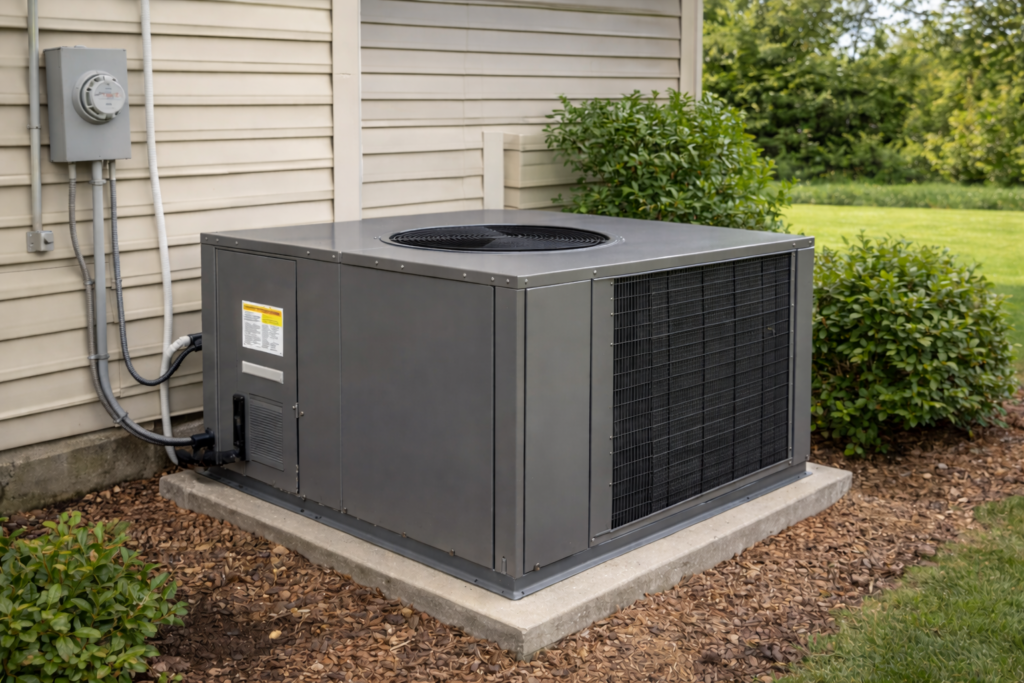
Refrigerant is the core component that makes modern cooling possible. Whether it’s your home air conditioner, a commercial refrigeration system, or a walk-in freezer, refrigerant is what allows these systems to remove heat and maintain the temperatures you rely on every day.
Understanding what refrigerant is and how it works can help you make more informed decisions about your HVAC system, maintenance needs, and overall costs.
What Is Refrigerant?
Refrigerant is a specialized fluid used in cooling systems to absorb and release heat. It circulates through your system, transitioning between liquid and gas states to move heat from one place to another.
In simple terms:
- Refrigerant pulls heat out of indoor air
- Moves that heat outside
- Returns to repeat the cycle
This continuous process is what keeps your home or business cool.
How Does Refrigerant Work?
Refrigerant operates within a closed-loop system made up of key components like a compressor, condenser, and evaporator coil.
Here’s a simplified breakdown:
- Evaporation: Refrigerant absorbs heat from inside your space and turns into a gas
- Compression: The gas is pressurized, raising its temperature
- Condensation: Heat is released outside as the refrigerant turns back into a liquid
- Expansion: The refrigerant cools and cycles back through the system
This cycle repeats continuously to maintain consistent temperatures.
Why Refrigerant Is So Important
Without refrigerant, cooling systems simply wouldn’t work. Its role is essential for:
Temperature Control
Refrigerant is what allows air conditioning and refrigeration systems to maintain stable, comfortable temperatures.
Energy Efficiency
Modern refrigerants are designed to improve system efficiency, helping reduce energy consumption when used in properly functioning systems.
Food and Product Preservation
From grocery stores to restaurants, refrigerant is critical for keeping food safe and preventing spoilage.
Comfort and Air Quality
Refrigerant supports systems that regulate indoor climate, contributing to overall comfort in homes and businesses.
Common Types of Refrigerants
Different systems use different types of refrigerants. Some of the most common include:
- R-22: Used in older systems and now phased out for new equipment
- R-410A: A widely used refrigerant in modern residential and commercial HVAC systems
- R-404A: Common in commercial refrigeration applications
- R-407C: Often used as a replacement for older refrigerants in certain systems
Each type is designed for specific equipment and performance requirements.
Does Refrigerant Get Used Up?
One of the most common misconceptions is that refrigerant gets “used up” over time.
In reality:
- Refrigerant operates in a sealed system
- It should not decrease under normal conditions
If your system is low on refrigerant, it typically indicates:
- A leak in the system
- Improper initial charge
- Wear or damage over time
In these cases, a licensed HVAC technician should inspect and repair the issue before recharging the system.
Important Safety and Compliance Note
Refrigerant must be handled carefully and in accordance with federal regulations.
- Installation and servicing should be performed by EPA-certified technicians
- Improper handling can be unsafe and may violate regulations
- Always follow local, state, and federal guidelines when purchasing or using refrigerants
Final Thoughts
Refrigerant plays a critical role in keeping homes comfortable and businesses running smoothly. While it’s not something most people think about daily, understanding its purpose can help you better maintain your system and make informed decisions when service is needed.
If your system requires refrigerant, working with a qualified professional and sourcing high-quality, compliant products ensures reliable performance and long-term efficiency.
Explore Refrigerants from Ice Cold
Ice Cold offers a range of EPA-compliant, high-quality refrigerants designed for professional use across residential and commercial applications. Whether you’re servicing existing systems or managing large-scale operations, having the right refrigerant matters.